
Composite vs. Wood Decking: Pros, Cons & Best Choice for Your Home
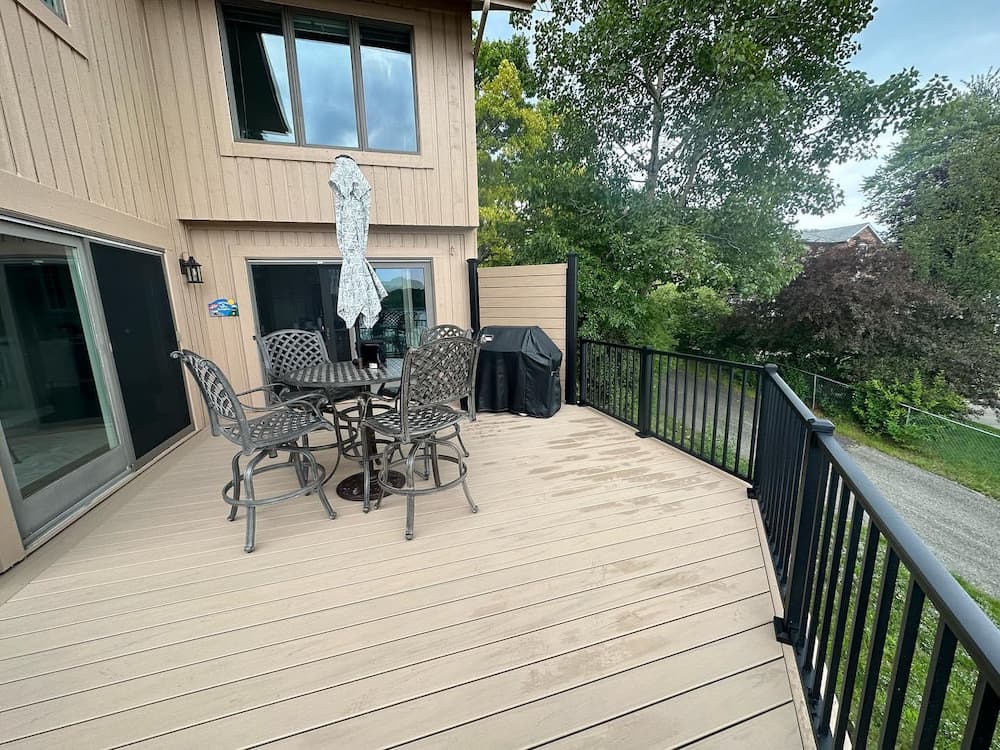
The material you choose for your deck affects how it looks, how long it lasts, and how it handles the weather. If you want to upgrade your outdoor space, consider durability, maintenance, and long-term value. Both composite and wood decking are popular. Here’s a side-by-side look to help you pick the best option for your lifestyle, budget, and climate.
Composite vs. Traditional Wood Decking: What’s the Difference?
Composite decking is made from a mix of wood fibers and plastic. It looks like wood but handles weather and wear better. Wood decking uses real timber and gives a classic look that many people like. The biggest differences lie in what they’re made of, how much care they require, and their environmental impact.
Durability & Maintenance: Which Material Lasts Longer?
Composite decking stands up to moisture and insects, so it performs well even when the weather changes. You don’t need to stain or seal it every year: just clean it regularly.
Wood decking is strong and has a natural look, but it needs regular sealing, staining, and checks for rot or insects. If you take care of it, a wood deck can last 15 to 20 years. Composite decks usually last 20 to 30 years and need less maintenance.
Cost Considerations: Upfront Price vs. Long-Term Value
Wood decking usually costs less to install, making it a good choice if you’re on a budget or want a faster project. Composite decking costs more upfront due to the materials and manufacturing process, but the price is more predictable, and there are fewer surprises during installation.
Over time, wood decks require regular maintenance, including staining, sealing, repairs, and sometimes replacing boards. Composite decking requires less routine maintenance, helping maintain its value and avoiding surprise repair costs.
Aesthetic Option and Curb Appeal
Many homeowners choose decking for how well it matches their home’s style and enhances curb appeal.
Composite decking:
- Consistent color tones that stay uniform across the deck
- Engineered wood-grain textures for a clean, modern appearance
- Matte and low-sheen finishes that resist fading over time
Wood decking:
- Natural grain patterns that create one-of-a-kind boards
- Warm, organic tones that age with character
- Paint and stain flexibility for color customization, with finishes that change as weather exposure increases
Eco-Friendly and Sustainability Factors
If you care about sustainability and performance, both materials have benefits. It depends on how they’re made and where the materials come from.
- Composite decking often uses recycled plastic and reclaimed wood fibers. This helps reduce landfill waste and the need for new wood. Its longer life also means you won’t have to replace it as often.
- Wood decking is renewable if it’s sourced responsibly. Using certified lumber helps support good forest management. However, regular maintenance means you’ll use more materials and chemicals over the years.
Quick Comparison: Composite vs. Traditional Wood Decking
Review our custom decking material comparison below. Whether you prefer low-maintenance composite or natural wood, discover the best choice to withstand the Michigan climate.
| Decking Material | The Pros (Advantages) | The Cons (Disadvantages) |
|---|---|---|
| Composite Decking (e.g., Trex) |
|
|
| Wood Decking |
|
|
Still unsure which decking material is right for your Oakland County home? Contact All American Remodeling today for a free design consultation and let our expert builders help you decide!
Wood Decking
- Delivers natural grain and authentic character
- Costs less to install initially
- Allows flexible staining and color changes
- Requires regular maintenance to manage rot and weathering
- Faces a shorter lifespan without consistent care
Choosing the Right Decking for Your Lifestyle, Budget, and Climate
The best choice depends on how you use your outdoor space and what you expect in the long term.
- Composite decking is a good fit for homeowners who prioritize low maintenance, a consistent appearance, and predictable upkeep costs. It performs well in climates with high sun exposure, high moisture, or significant temperature swings.
- Wood decking works well for homeowners who value natural character and the flexibility of finishes, and are willing to invest time in maintenance. Brands such as Trex Composite Deck and Timber Tech offer composite decking options that deliver durability and long-term performance in various environments.
Ready to Plan Your Deck Upgrade?
Choosing between composite and wood decking comes down to performance expectations, maintenance commitment, and long-term value. By matching the right material to your lifestyle, climate, and budget, you set your deck up for lasting use and enjoyment.
For expert guidance and professional installation, contact All American Remodeling to discuss decking options tailored to your home.